Monday, November 30, 2015
Friday, November 13, 2015
Self Portrait and Portraits Part I
Introduce a Prop:
Add a prop of some kind into your shots and you create another point of interest that can enhance your shot.
Frame the Subject:
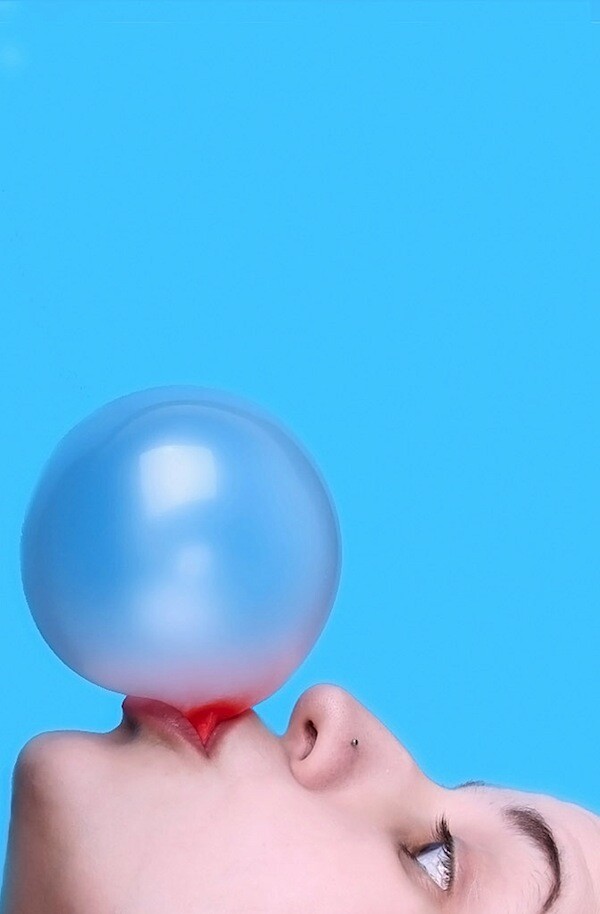
Play with Eye Contact:
This can create a feeling of candidness and also create a little intrigue and interest as the viewer of the shot wonders what they are looking at.
Environmental Portrait:
I like this photo because it shows off her passion without drawing away from her. This image has a simple background and two lines that lead to the subject.
I like this photo because it shows off his passion without being too busy. This image has lines that showcase the guitars beauty and the lines lead to the subject.
Photography Self-Portrait:
I like this picture because it gives a different perspective of the subject and the background points eyes toward the subject.
I like this photo because it gives insight into an old home, as shown by the coke bottles in the foreground, and because it is an older self-portrait.
Casual Portrait
I like this photo because the joy in the image is evident and nearly palpable, the smile is genuine and the dog can almost be seen wagging its tail.
I like this photo because both the woman and the child are happy and smiling genuine smiles, the joy is clear and almost tangible.
I hope to photograph my sister with her dog, either her chasing the dog or the dog laying on her lap. I would like to photograph the running scene in my backyard, with the dog on one end and her on the other, preferably with a huge smile on her face. I hope to photograph the sleeping scene on a car ride, with him in the middle seat and her on the side with the dog's head on her lap and her hand on his back, or with her laying her head on the dog's back and the dog's head on her lap. In order to make these shots successful, I will send them both into either the backyard to run, using a high shutter speed, or into the car, preferably at night and using a high enough ISO, and have her lay on the dog in the backseat.
Add a prop of some kind into your shots and you create another point of interest that can enhance your shot.
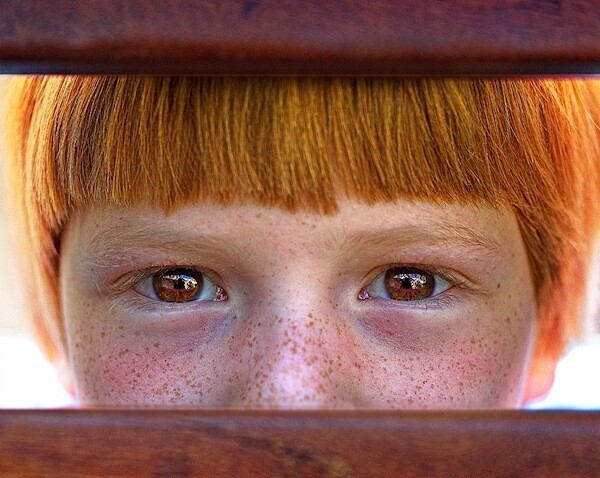
Frame the Subject:
Framing gives an image depth and draws the eye to a point of interest in the image.
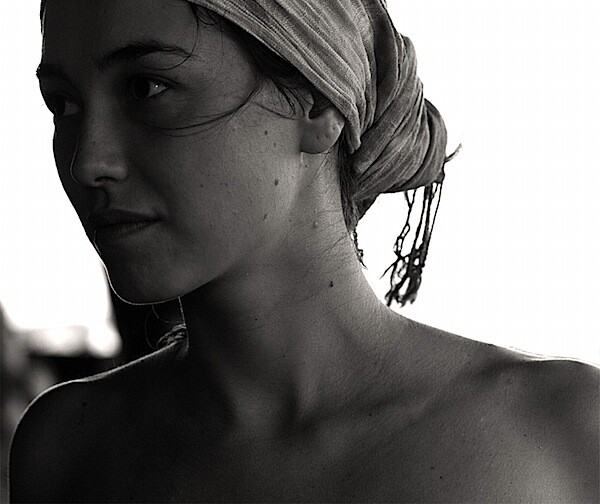
Play with Eye Contact:
This can create a feeling of candidness and also create a little intrigue and interest as the viewer of the shot wonders what they are looking at.
Environmental Portrait:
I like this photo because it shows off her passion without drawing away from her. This image has a simple background and two lines that lead to the subject.
I like this photo because it shows off his passion without being too busy. This image has lines that showcase the guitars beauty and the lines lead to the subject.
Photography Self-Portrait:
I like this picture because it gives a different perspective of the subject and the background points eyes toward the subject.
I like this photo because it gives insight into an old home, as shown by the coke bottles in the foreground, and because it is an older self-portrait.
Casual Portrait
I like this photo because the joy in the image is evident and nearly palpable, the smile is genuine and the dog can almost be seen wagging its tail.
I like this photo because both the woman and the child are happy and smiling genuine smiles, the joy is clear and almost tangible.
I hope to photograph my sister with her dog, either her chasing the dog or the dog laying on her lap. I would like to photograph the running scene in my backyard, with the dog on one end and her on the other, preferably with a huge smile on her face. I hope to photograph the sleeping scene on a car ride, with him in the middle seat and her on the side with the dog's head on her lap and her hand on his back, or with her laying her head on the dog's back and the dog's head on her lap. In order to make these shots successful, I will send them both into either the backyard to run, using a high shutter speed, or into the car, preferably at night and using a high enough ISO, and have her lay on the dog in the backseat.
Love and Loss
Going though these images, I felt happy, upset and horribly sad. While not knowing these people personally, I was still able to perceive their emotions and I reflected them to an extent.
"These photographs do not define us, but they are us." To me this quote means that while these images show the couple, they do not capture their personality, their likes and dislikes, their hobbies and their treasured memories.
If I was in this situation, I would not be able to photograph these images. I wouldn't want to look at pictures of my loved one sick and remember those days, I would rather look at pictures of them happy and smiling.
If I could write Angelo a letter, I would tell him to remember the days before she got sick, to remember the moment he met her, the moment he asked her out, their first date, when he proposed, when she said yes, their wedding, all the happy moments when she was lively.
"These photographs do not define us, but they are us." To me this quote means that while these images show the couple, they do not capture their personality, their likes and dislikes, their hobbies and their treasured memories.
If I was in this situation, I would not be able to photograph these images. I wouldn't want to look at pictures of my loved one sick and remember those days, I would rather look at pictures of them happy and smiling.
If I could write Angelo a letter, I would tell him to remember the days before she got sick, to remember the moment he met her, the moment he asked her out, their first date, when he proposed, when she said yes, their wedding, all the happy moments when she was lively.
Friday, November 6, 2015
American Soldier
A: This is the most powerful image to me because Fisher's realization that the army is different than what he thought it was going to be is clear on his face.
B: I can tell when the location of the photos changes because the background is different and the type of dress is different in each location.
Set 1: Image #1- image #4
Set 2: Image #5- image #14
Set 3: Image #15- image #27
Back home: Image #28
C: I found that the second set of images was the most powerful because it shows Fisher's transition from a high school graduate to a soldier.
D: These images work together to tell a story because it shows Fisher's mental, and physical transition from a high school graduate to a soldier and why he transitioned.
E: In the photos where Ian is the subject, the caption is usually written in present tense.
F: The caption enhance the images because they provide more information than is evident in the photo.
G: Ian decided to join the army on his 17th birthday. In order to join the army, Ian had get his diploma, so graduation was important, but not the ceremony. A week before leaving for Basic Training, he learned what it would be like. His family threw him a traditional party, with ice cream and cake, while his friends threw a different king of party, with beer pong. Ian's friends Buddha and Pineapple came to say goodbye before he left for Basic Training. The recruits were given an impossible task to be completed over and over. After failing to inform the army of a previous injury and then aggravating that injury could have gotten him disqualified. Ian and the other recruits are broken down to nothing so that they can be rebuilt in the army model. Ian keeps his playful quality by making machine-gun noises after being handed a M-16. Ian's drill sergeant John Eldridge got attached to Ian and motivates him during field training. After a long week, Ian turns to his religion to help alleviate his problems. Ian received his qualification as an infantryman. On a week-long field training exercise, Ian put his skill to the test during "raid" on Iraqi "villages", "attacked" their base, and a ten mile march with 65 pounds of gear on.
B: I can tell when the location of the photos changes because the background is different and the type of dress is different in each location.
Set 1: Image #1- image #4
Set 2: Image #5- image #14
Set 3: Image #15- image #27
Back home: Image #28
C: I found that the second set of images was the most powerful because it shows Fisher's transition from a high school graduate to a soldier.
D: These images work together to tell a story because it shows Fisher's mental, and physical transition from a high school graduate to a soldier and why he transitioned.
E: In the photos where Ian is the subject, the caption is usually written in present tense.
F: The caption enhance the images because they provide more information than is evident in the photo.
G: Ian decided to join the army on his 17th birthday. In order to join the army, Ian had get his diploma, so graduation was important, but not the ceremony. A week before leaving for Basic Training, he learned what it would be like. His family threw him a traditional party, with ice cream and cake, while his friends threw a different king of party, with beer pong. Ian's friends Buddha and Pineapple came to say goodbye before he left for Basic Training. The recruits were given an impossible task to be completed over and over. After failing to inform the army of a previous injury and then aggravating that injury could have gotten him disqualified. Ian and the other recruits are broken down to nothing so that they can be rebuilt in the army model. Ian keeps his playful quality by making machine-gun noises after being handed a M-16. Ian's drill sergeant John Eldridge got attached to Ian and motivates him during field training. After a long week, Ian turns to his religion to help alleviate his problems. Ian received his qualification as an infantryman. On a week-long field training exercise, Ian put his skill to the test during "raid" on Iraqi "villages", "attacked" their base, and a ten mile march with 65 pounds of gear on.
Monday, November 2, 2015
Rules of Photography II
Theme: World Landmarks
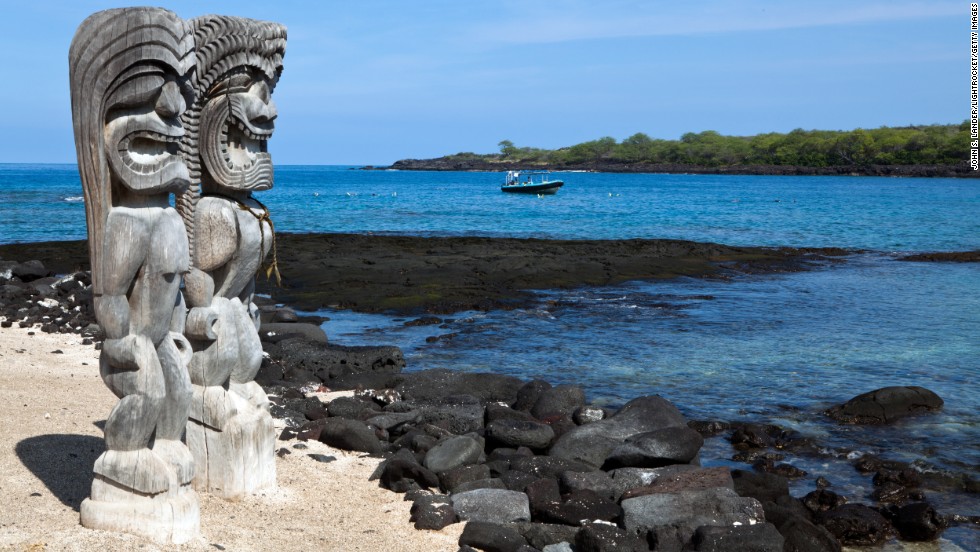
Rule of Thirds
Temple sight at Hawaii Pu'uhonua O Honaunau National Park
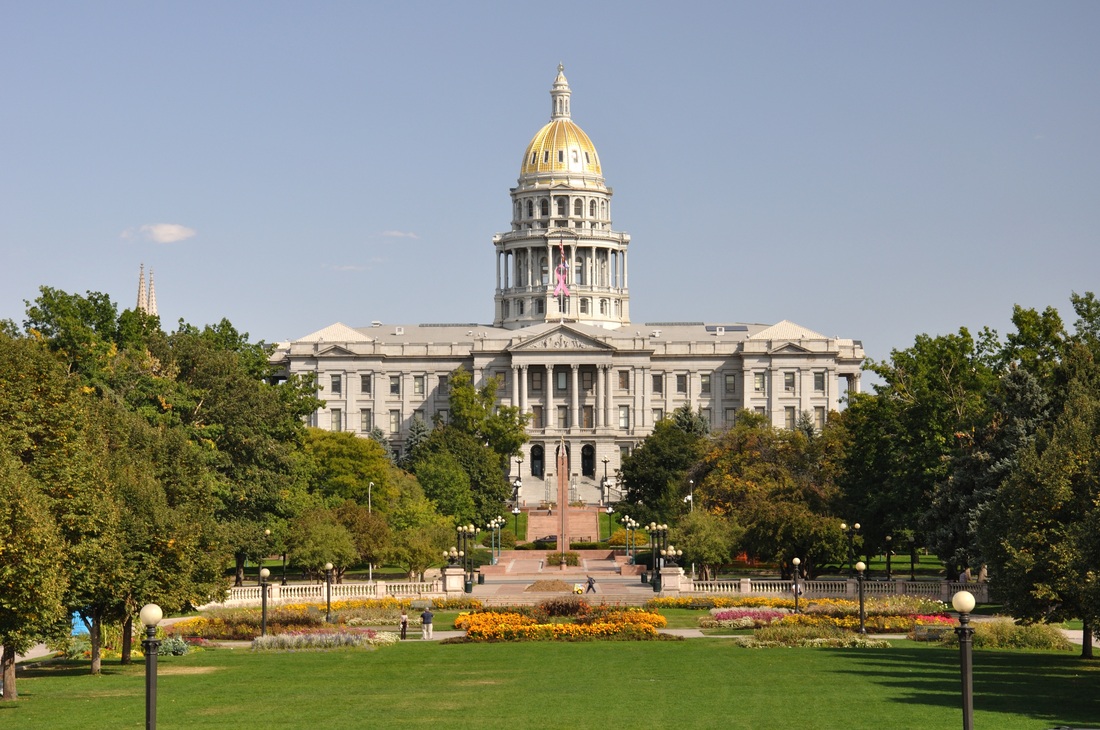
Balancing Elements
Colorado State Capitol
Leading Lines
Golden Gate Bridge
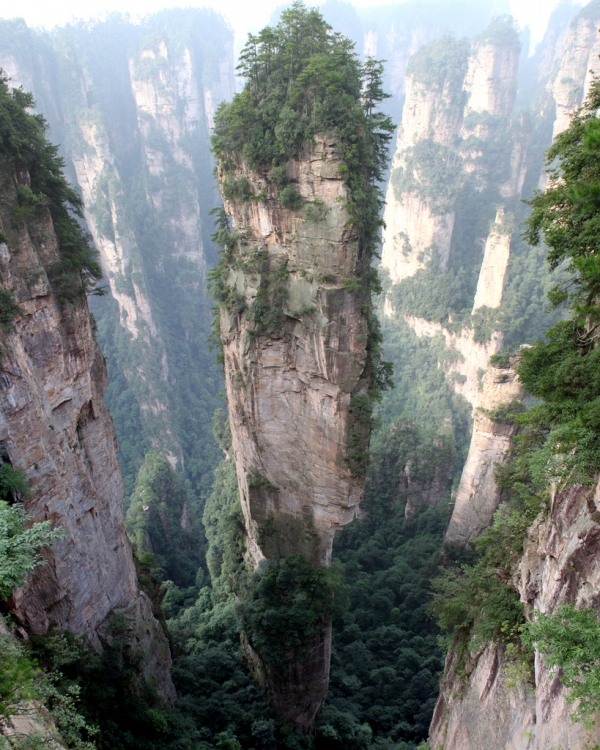
Symmetry
Zhangjiajie National Forest Park, China
Viewpoint
Statue of Liberty
Background
Gateway Arch
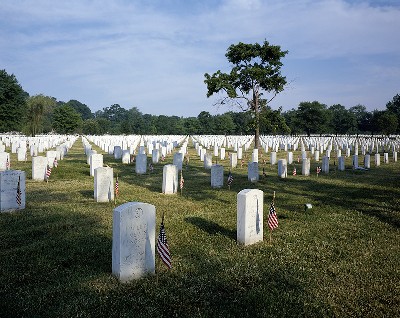
Depth
Arlington National Cemetery
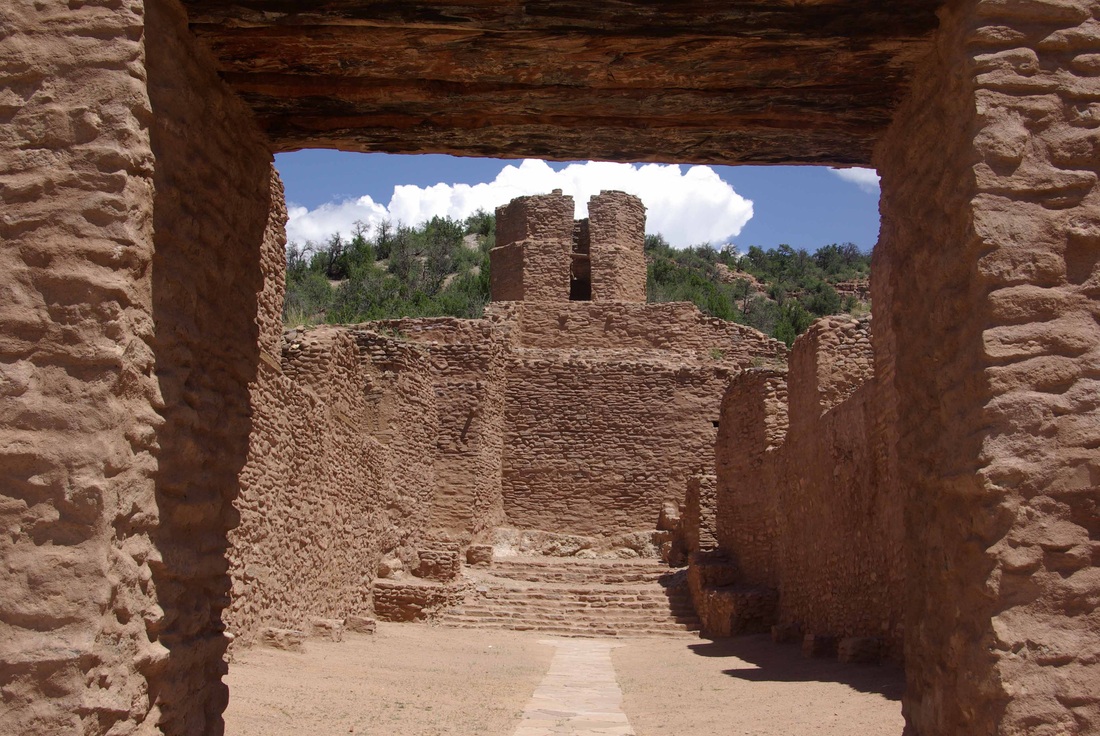
Framing
San Jose de Los Jemez Mission
Cropping
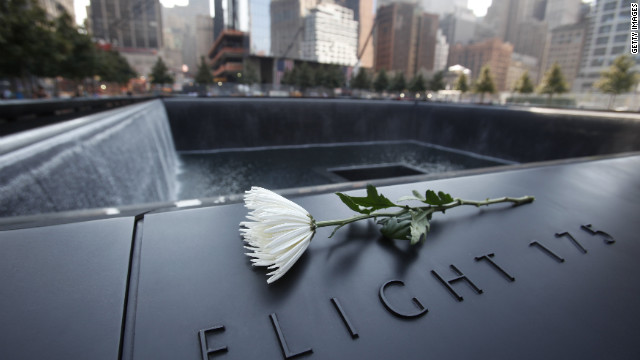
9/11 Memorial
Cool Merger
Rule of Thirds
Temple sight at Hawaii Pu'uhonua O Honaunau National Park
Balancing Elements
Colorado State Capitol
Leading Lines
Golden Gate Bridge
Symmetry
Zhangjiajie National Forest Park, China
Viewpoint
Statue of Liberty
Background
Gateway Arch
Depth
Arlington National Cemetery
Framing
San Jose de Los Jemez Mission
Cropping
9/11 Memorial
Cool Merger
Saturday, October 31, 2015
Abandoned Theme Parks
I would like go to Glen Echo in Maryland partly because its legal to enter the park, and it would be interesting to photograph the unused part in contrast with the used part. I would love to capture a abandoned building in the same photo with a used building, because it would show two eras of history in one shot. Ideally I would also be able to go at night in order to see the lights on a current building and the eeriness of the abandoned building.
5 Unusual places to Photograph
1. Chateau de Loup
2. Henry and Edsel Ford Memorial Auditorium, Detroit
3. Vanity Ballroom
4. Chateau Clochard
5. Boca Chica Village
Boca Chica Village
The Boca Chica Village is located in Cameron County, Texas, about a mile from the Mexico border and two miles from the coast. I think that his would be a cool place to photograph because some houses are unkept, while other houses are neat and clean. The road is filled with potholes and is in disarray, and there is a completely abandoned motel-like house that would be awesome to photograph, as well as a shrine to the Virgin Mary.
In order to photograph this location, it would be a 300 mile drive from Austin and a 30 minute drive from the edge of the city of Brownsville. On the way back into town, you would have to check in with Border Patrol in order to enter the city. Hotels in the city are average rate, as long as you don't stay on South Padre Island or Port Isabelle. I would need a camera, different lenses, maybe a tripod and a flash. Some expenses I would encounter would be hotel rooms, restaurants, personal items, and possibly souvenirs. I would have to consider privacy laws and some property laws before photographing the village.
5 Unusual places to Photograph
1. Chateau de Loup
2. Henry and Edsel Ford Memorial Auditorium, Detroit
3. Vanity Ballroom
4. Chateau Clochard
5. Boca Chica Village
Boca Chica Village
The Boca Chica Village is located in Cameron County, Texas, about a mile from the Mexico border and two miles from the coast. I think that his would be a cool place to photograph because some houses are unkept, while other houses are neat and clean. The road is filled with potholes and is in disarray, and there is a completely abandoned motel-like house that would be awesome to photograph, as well as a shrine to the Virgin Mary.
In order to photograph this location, it would be a 300 mile drive from Austin and a 30 minute drive from the edge of the city of Brownsville. On the way back into town, you would have to check in with Border Patrol in order to enter the city. Hotels in the city are average rate, as long as you don't stay on South Padre Island or Port Isabelle. I would need a camera, different lenses, maybe a tripod and a flash. Some expenses I would encounter would be hotel rooms, restaurants, personal items, and possibly souvenirs. I would have to consider privacy laws and some property laws before photographing the village.
Thursday, October 29, 2015
Africa
This photography, by Nick Brandt, is my favorite because it shows these animals in their natural habitat doing something thats dangerous yet necessary. I like this image because it shows the risks these animals face on a daily basis. In addition, I like seeing the cliffs in the background and the rapids in the river and the herd of animals waiting their turn to cross the river.
Some rules of photography are evident in this photo are lines, as shown by the horizon formed by the cliff and sky, the bank where the river meets the cliff, the line of zebras in the water, and the ripples formed by the current.
Nick Brandt uses a Pentax 67II with two fixed lenses. This is important because these images are taken without any telephoto lenses meaning that Brandt got up close to these animals and waited for hours to take their picture.
Brandt reason for taking these photos is to bring awareness to the destruction of these animals by humans, as shown though his interview with Scientific American. Brandt takes these images to showcase these magnificent animals before they are extinct in the wild.
Brandt hopes that, by taking these images, he will inspire people to take action against the destruction of these animals. I believe that he hopes that his images will raise more awareness of these atrocities and more and more people will stand against the impending extinction of these animals.
"In 1995 I first drove the main road from Nairobi down through southern Kenya to Arusha in northern Tanzania. Along the way, in completely unprotected areas, I saw giraffes, zebras, gazelles, impalas, wildebeest. A few months ago, just 13 years later, I made the same drive. I didn't see a single wild animal the entire four-hour drive. It's not that they've moved elsewhere. It's that they've been wiped out—turned into bushmeat." - Nick Brandt
Some rules of photography are evident in this photo are lines, as shown by the horizon formed by the cliff and sky, the bank where the river meets the cliff, the line of zebras in the water, and the ripples formed by the current.
Nick Brandt uses a Pentax 67II with two fixed lenses. This is important because these images are taken without any telephoto lenses meaning that Brandt got up close to these animals and waited for hours to take their picture.
Brandt reason for taking these photos is to bring awareness to the destruction of these animals by humans, as shown though his interview with Scientific American. Brandt takes these images to showcase these magnificent animals before they are extinct in the wild.
Brandt hopes that, by taking these images, he will inspire people to take action against the destruction of these animals. I believe that he hopes that his images will raise more awareness of these atrocities and more and more people will stand against the impending extinction of these animals.
"In 1995 I first drove the main road from Nairobi down through southern Kenya to Arusha in northern Tanzania. Along the way, in completely unprotected areas, I saw giraffes, zebras, gazelles, impalas, wildebeest. A few months ago, just 13 years later, I made the same drive. I didn't see a single wild animal the entire four-hour drive. It's not that they've moved elsewhere. It's that they've been wiped out—turned into bushmeat." - Nick Brandt
Subscribe to:
Posts (Atom)